8 Essential Machining Processes You Should Save for Future Use

Machining Processes,Turning,Milling,Drilling,Grinding,Boring,Planing,Broaching,EDM
Jul 19th,2023 45 Views
Machining processes refer to the procedure of converting raw materials into products with desired shapes, dimensions, and surface quality, encompassing a variety of precision machining methods to meet the requirements of different components. Below is a detailed introduction to 8 common machining processes.
01 Turning 

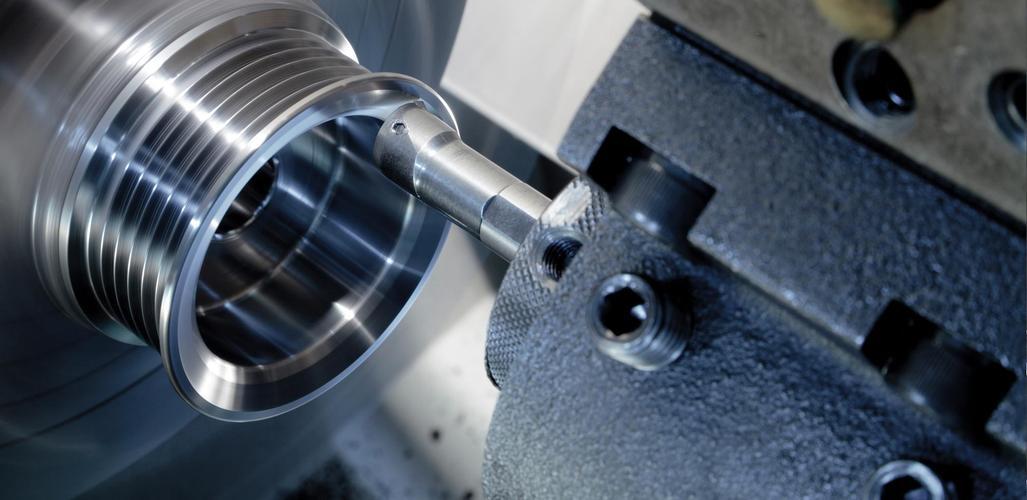
Turning involves fixing a workpiece on a rotating workpiece clamping device, then using a cutting tool to gradually remove material from the workpiece to achieve the desired shape and dimensions. This machining method is suitable for manufacturing cylindrical parts such as shafts and sleeves. The turning method and tool selection directly affect the shape and surface roughness of the final product.

Turning can be categorized into different types, including external turning, internal turning, facing, and thread turning.
External turning is typically used for machining shapes such as shafts, cylinders, and cones. In internal turning, the cutting tool enters the inner bore of the workpiece to machine the bore's diameter and surface to the required dimensions and precision. Facing is commonly employed to create flat surfaces, such as the base or end face of a component. Thread turning involves the relative movement between the tool's cutting edge and the workpiece surface to gradually cut thread profiles, including internal threads and external threads.
02 Milling
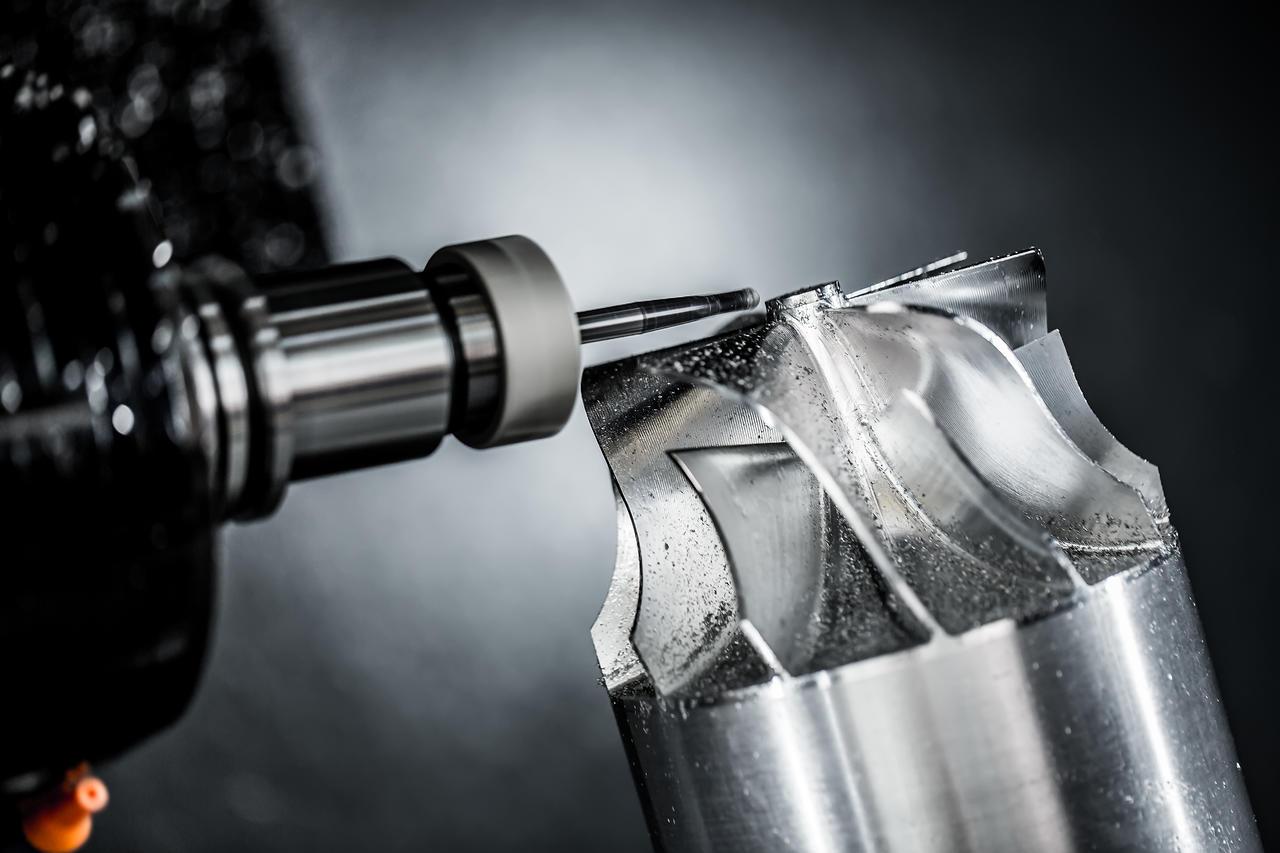
Milling involves removing material from the workpiece surface using a rotating cutting tool. By controlling the tool's movement, it can produce parts with complex shapes such as flat surfaces, concave and convex surfaces, and gears. Milling includes various types such as face milling, vertical milling, end milling, gear milling, and profile milling. Each method is suitable for different machining requirements.

In face milling, the cutting edges of the tool remove material from the workpiece surface to achieve a flat finish; vertical milling is commonly used for machining grooves and holes along the height direction of the workpiece; end milling involves cutting on the side of the workpiece, typically applied to process intricate profiles, grooves, and edges; gear milling usually employs specialized cutting tools with precision cutting edges to machine the tooth profiles of gears; profile milling is designed for processing complex curved or contoured shapes, where the tool path is precisely controlled according to the desired contour.
03 Drilling

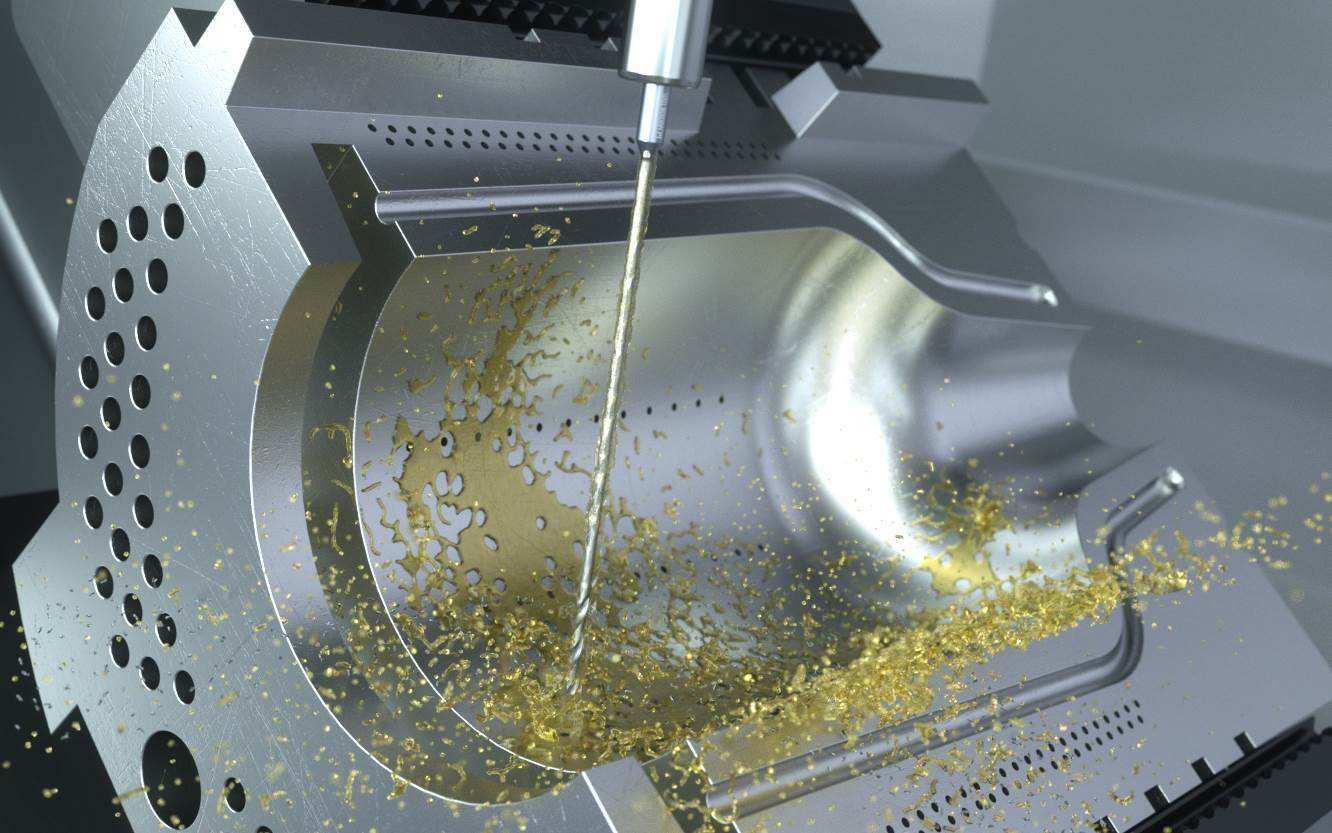
Drilling involves removing material from the workpiece using a rotating drill bit to form holes with the required diameter and depth. It is widely used in manufacturing, construction, and maintenance industries. Drilling is commonly classified into different types such as conventional drilling, center drilling, deep hole drilling, and multi-spindle drilling.

Conventional drilling uses drill bits with helical cutting edges, typically for smaller holes and general drilling requirements. Center drilling first creates a small pilot hole on the workpiece surface before using a larger drill bit, ensuring precise positioning of the subsequent larger hole. Deep hole drilling is designed for machining deep holes, which requires specialized drill bits and cooling technologies to guarantee machining precision and quality. Multi-spindle drilling employs multiple drill bits to perform drilling simultaneously at different angles, suitable for scenarios requiring the concurrent machining of multiple holes
04 Grinding

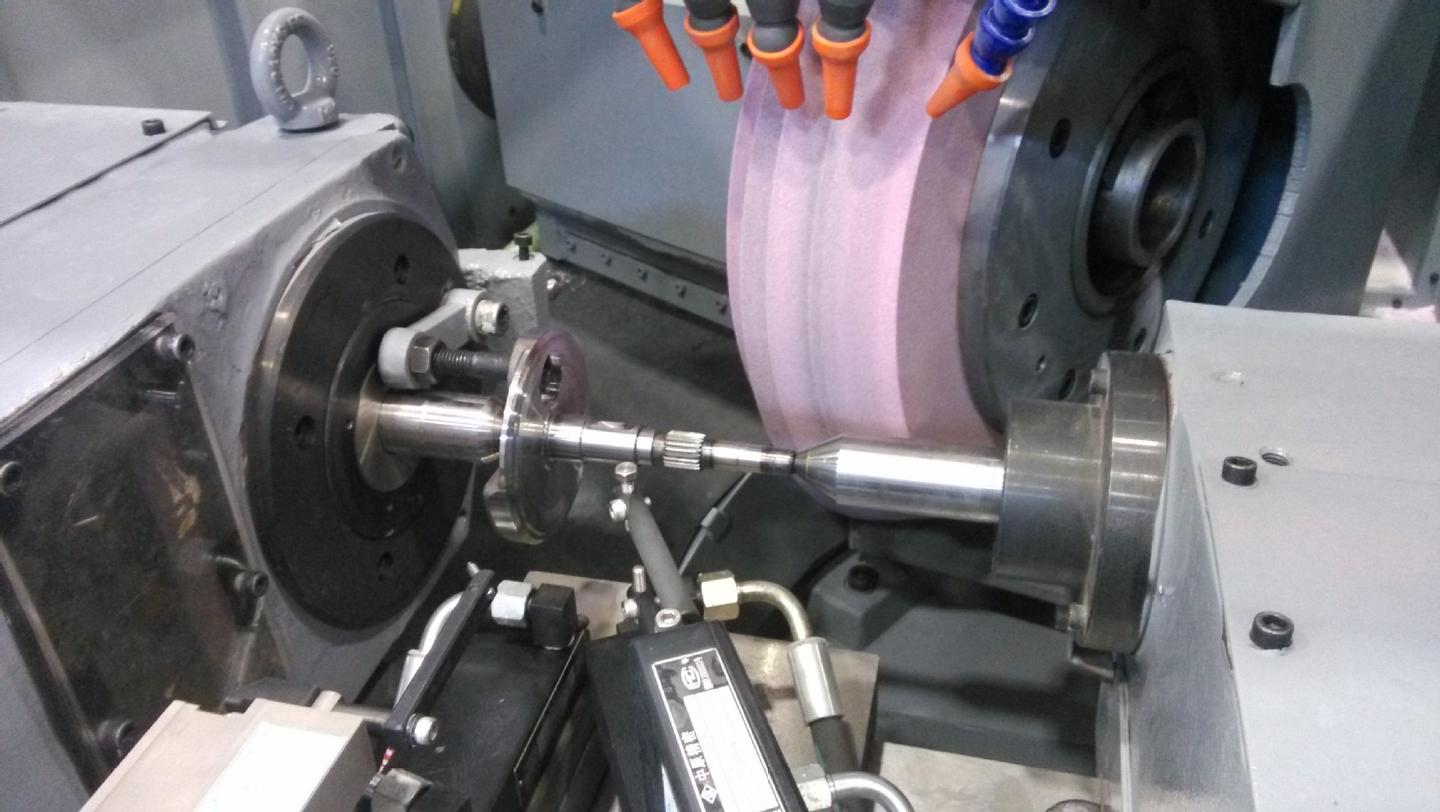
Grinding involves gradually removing material from the workpiece surface using an abrasive tool, enabling the achievement of desired shapes, dimensions, and surface quality. This process is typically used for machining parts requiring high precision and superior surface finish, such as molds, precision mechanical components, and tools.

Grinding is categorized into surface grinding, external cylindrical grinding, internal cylindrical grinding, and profile grinding. Surface grinding is used for machining flat workpiece surfaces to achieve a smooth flat finish and precise dimensions. External cylindrical grinding is applied to process the outer cylindrical surfaces of cylindrical workpieces, such as shafts and pins. Internal cylindrical grinding targets the inner surfaces of holes, including inner bores and shaft holes. Profile grinding is designed for machining complex contoured shapes, such as the cutting edges of molds and tools.
05 Boring
Boring is typically used for machining internal circular holes in workpieces. It involves cutting within existing holes using a rotating cutting tool to achieve precise dimensions and flatness. Unlike drilling, which forms holes by removing material from the workpiece surface, boring refines holes by inserting the cutting tool into the workpiece to machine the internal hole walls.

Boring is classified into manual boring and CNC boring. Manual boring is suitable for small-batch production and simple machining tasks. CNC boring determines the cutting path, feed rate, and spindle speed through programming, enabling automated high-precision machining.
06 Planing
Planing involves removing material from the workpiece surface using a planer tool to achieve the desired flat surfaces, precise dimensions, and surface quality. This process is typically used for machining flat surfaces of large workpieces, such as bases and machine beds. It can provide a smooth and flat surface for the workpiece, making it suitable for assembly with other components.
Planing is generally divided into two stages: rough machining and finish machining. In the rough machining stage, the planer tool adopts a relatively large cutting depth to quickly remove excess material. In the finish machining stage, the cutting depth is reduced to achieve higher surface quality and dimensional accuracy. Planing is categorized into two types: manual planing and automatic planing. Manual planing is suitable for small-batch production and simple machining tasks; automatic planing uses automated machine tools to control the movement of the planer tool, enabling a more stable and efficient machining process.
07 Broaching
Broaching involves using a broach tool to gradually deepen the cut, creating complex internal profiles. It is commonly used for machining intricate shapes such as component profiles, grooves, and holes. This process typically achieves high machining precision and excellent surface finish, making it suitable for parts requiring tight tolerances and superior surface quality. Broaching is generally classified into types including surface broaching, profile broaching, groove broaching, and hole broaching.

Surface broaching is used for machining flat workpiece surfaces to achieve a flat finish and precise dimensions. Profile broaching is designed for processing complex contoured shapes, such as molds and custom components. Groove broaching is employed to machine grooves and slots, where the cutting edges penetrate the workpiece and machine along its surface. Hole broaching targets the internal profiles of holes, with the cutting edges entering the holes to machine their inner surfaces.
08 Electrical Discharge Machining (EDM)
Electrical Discharge Machining (EDM) involves cutting and machining conductive materials through electrical discharge, enabling the production of high-precision, intricate-shaped parts such as molds and tools. It is widely used in industries including mold manufacturing, plastic injection molding, aerospace engine components, and medical devices. EDM is typically employed for processing hard, brittle, or high-hardness materials that are difficult to cut using traditional machining methods, such as tool steel, carbide, and titanium alloy.
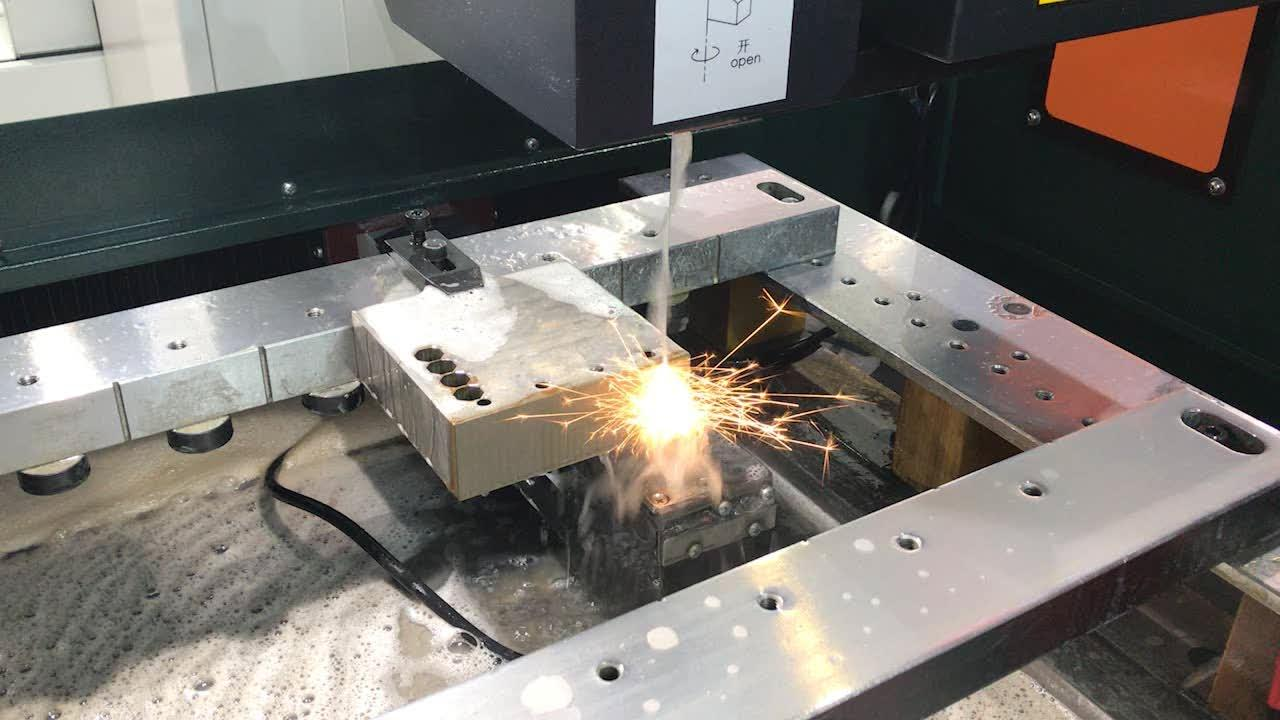
Key features:
1 Non-contact Cutting: Unlike traditional mechanical cutting, EDM is a non-contact machining method. There is no direct physical contact between the tool and the workpiece; instead, material is removed through electrical discharge (not continuous arc discharge, the core principle of EDM).
2 High Precision: EDM can achieve ultra-high precision machining, typically reaching sub-micron level dimensional accuracy. This makes it suitable for manufacturing high-precision molds, prototypes, and other precision components, including optical molds and precision optical assemblies.
3 Complex Shapes: As a non-contact machining method, EDM can process extremely complex shapes, including internal profiles, small holes, and grooves—common structures in custom optical components (e.g., special-shaped optical brackets, lens sleeve inner contours).
4 Suitability for High-Hardness Materials: EDM is ideal for machining high-hardness materials, as it does not rely on the hardness of the cutting tool (a critical limitation of traditional machining methods), making it suitable for optical-related materials such as tungsten carbide and tool steel.

The above are the 8 common machining processes. Each machining process has its specific application areas and advantages. Selecting the appropriate process depends on the material, shape, dimensions, and surface requirements of the parts.
Leave a message
Name*
Email*
Company*
List*