Optical components,precision optical instruments,Optical Aspherical Lenses,Optical Plastics,Blue Glass IRCF,Industry Development Trends
Optical components refer to the key devices of optical systems that utilize optical principles for various activities, including observation, measurement, analysis and recording, information processing, image quality evaluation, as well as energy transmission and conversion. They are vital components for manufacturing the core parts of diverse optical instruments, image display products, and optical storage equipment.
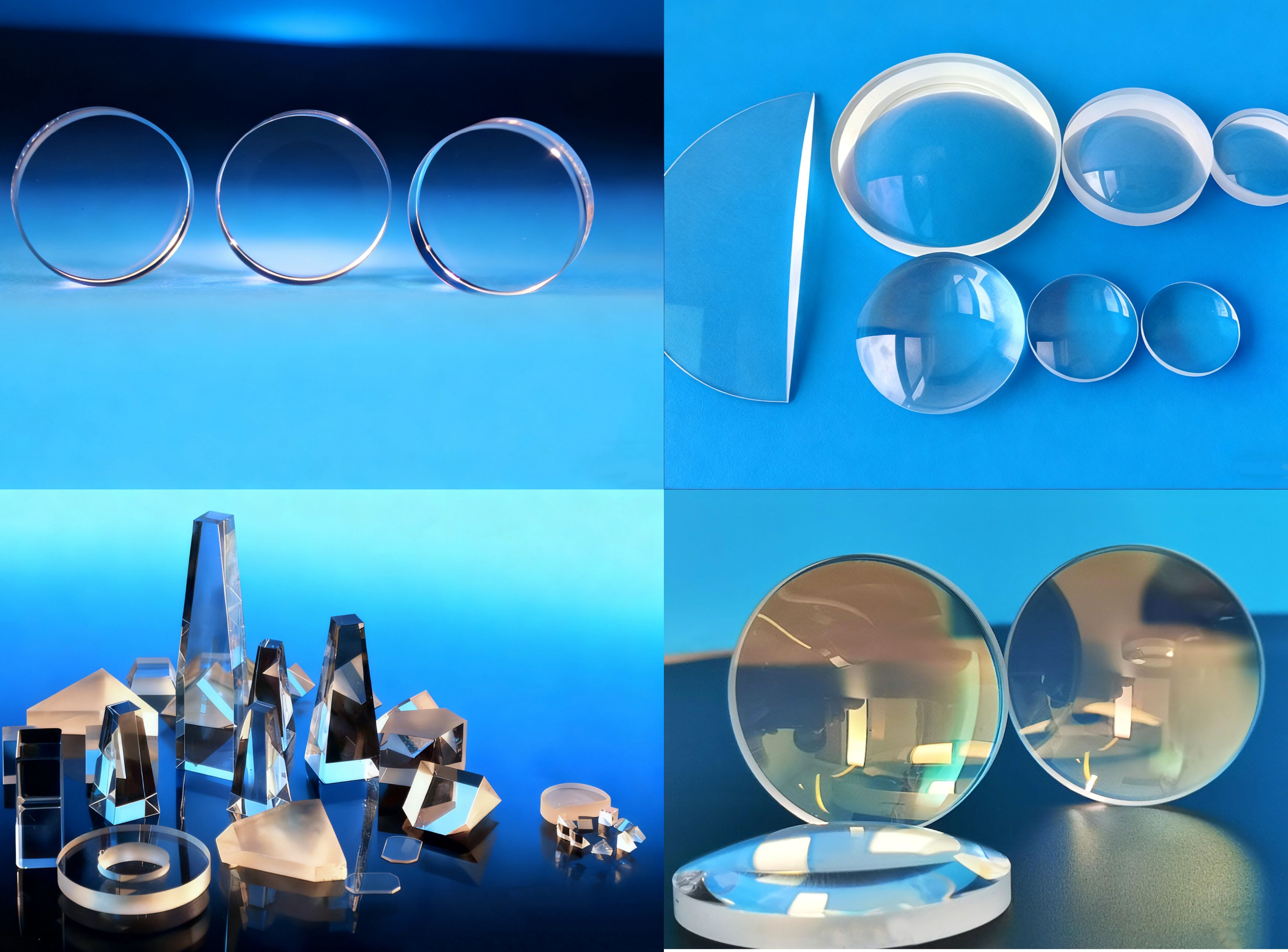
Optical components can be divided into two categories: traditional optical elements and assemblies, and precision optical elements and assemblies. Traditional optical components are mainly used in conventional optical products such as traditional cameras, telescopes, and microscopes. Precision optical components are primarily applied in smartphones, projectors, digital cameras, video cameras, copiers, optical instruments, medical devices, and various precision optical lenses. The downstream industries mainly include consumer electronics, instruments and meters, semiconductor manufacturing, automotive lenses, lasers, and optical communication.
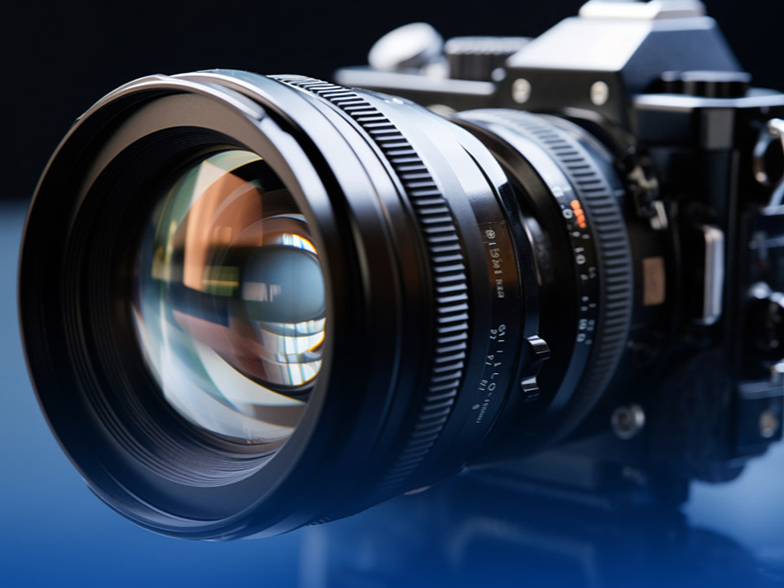
With the advancement of technology and the improvement of manufacturing processes, products such as smartphones and digital cameras have gradually become important consumer goods for residents, driving the increasing demand for higher precision of optical components in optical products.
The development of the precision optical components industry is driven by changes in the demand for downstream complete machine products. Optical components are mainly used in optoelectronic products such as projectors, digital cameras, and precision optical instruments. In recent years, with the rapid popularization of smartphones, the digital camera industry has entered an overall decline phase, and its market share has been gradually replaced by high-definition camera phones.
Overall, the rapid growth in demand for security, automotive, and smartphone products has driven the structural adjustment of the optical components industry. With the adjustment of the product structure in the downstream of the optoelectronic industry, the optical components industry—located in the midstream of the industrial chain—is inevitably required to modify its product R&D direction, adjust its product structure, and align closer with emerging sectors such as smartphones, security systems, and automotive lenses.
End-user optoelectronic products are evolving toward higher pixel density, slimmer design, and lower cost, posing higher technical requirements for optical components. To adapt to this product development trend, the optical components industry has undergone innovations in materials, technical processes, and other key areas.
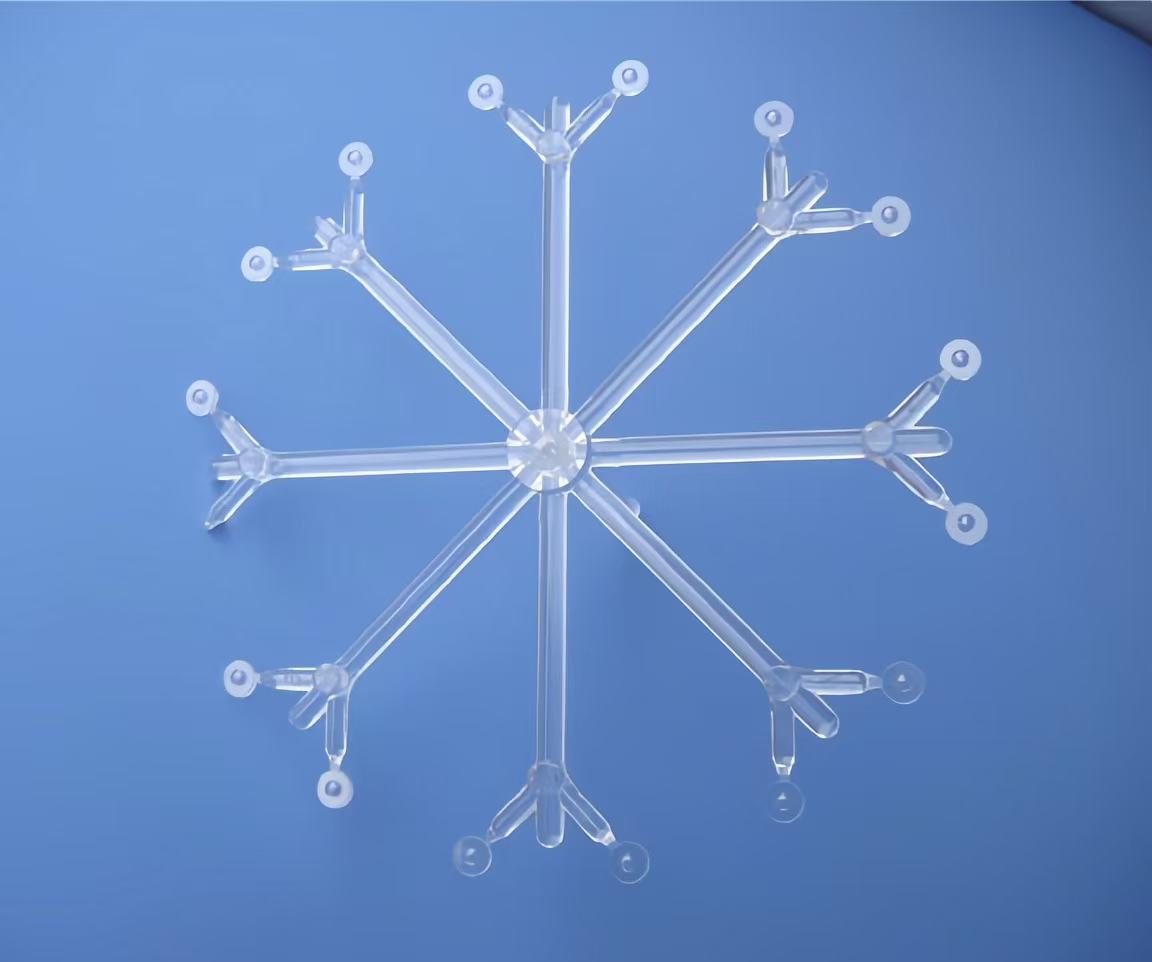
From the perspective of optical lens applications, various lenses and optical elements are already available in plastic and can be directly formed via molding processes—eliminating the need for traditional procedures such as milling, fine grinding, and polishing. This makes it particularly suitable for aspherical optical components.
Another advantage of using optical plastics is that lenses can be integrally molded with frame structures in one step. This simplifies assembly processes, ensures assembly precision, and reduces production costs.
③ Popularization of Blue Glass IRCF
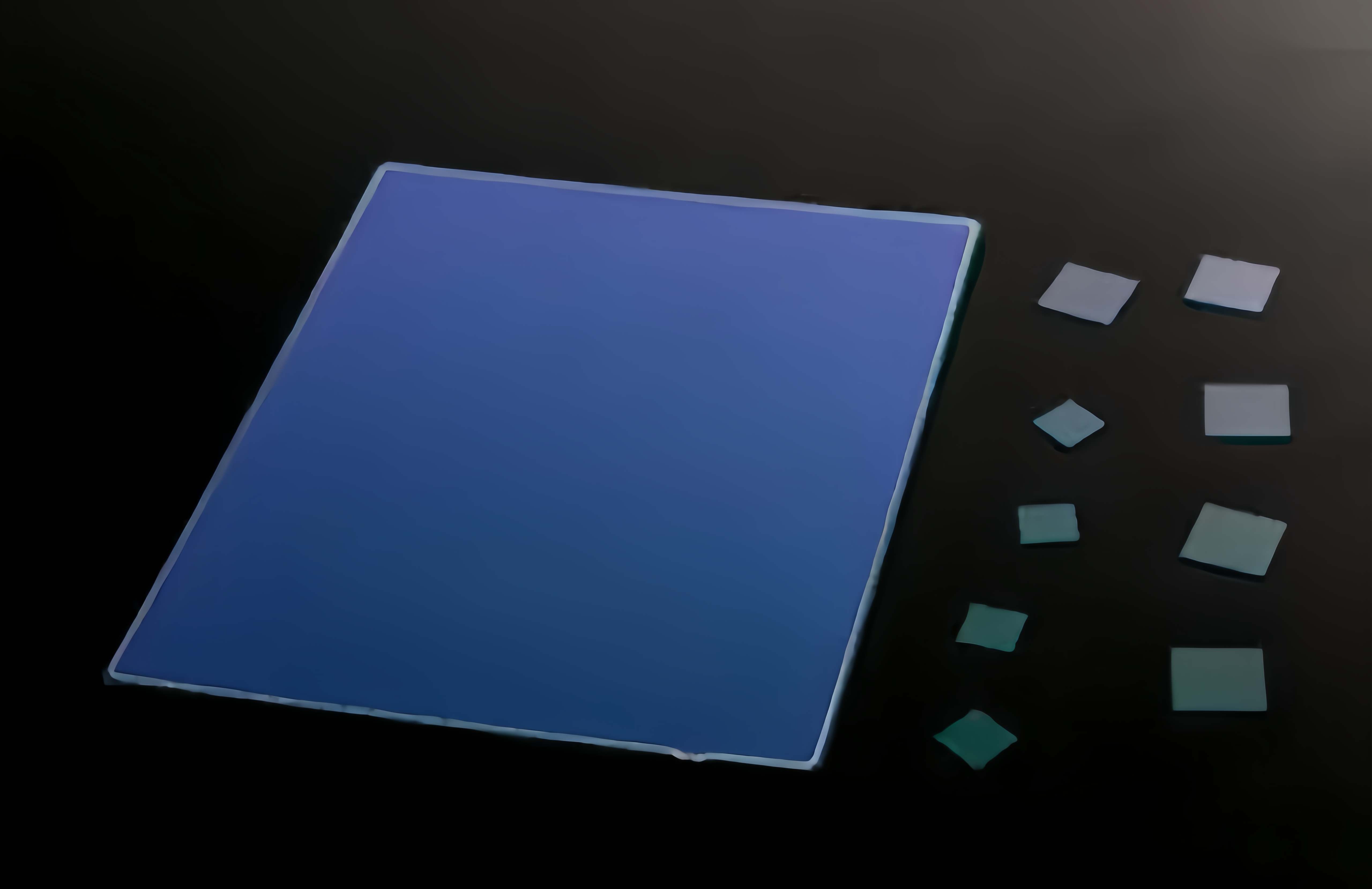
Blue Glass IRCF (Infrared Cut Filter) is mainly applied in cameras with a resolution of 8 megapixels or higher. Since 2012, newly launched models—whether high-end devices from Apple and Samsung or mid-range products by domestic brands like OPPO and Xiaomi—have all adopted Blue Glass IRCF. Going forward, it will become an indispensable component in smartphones equipped with 8MP+ cameras.
In the future, optical components will further move towards integration, multifunctionality, and intelligence, while continuously striving for higher laser damage resistance thresholds.


